Choosing the wrong commercial AV integrator gets expensive fast. You end up with systems that will not talk to each other, conference rooms nobody wants to use, and no one to call when a display goes dark before a big meeting. The right integrator prevents all of it.
The quickest way to vet one is to ask the right questions before you sign. The best commercial AV integrators are properly licensed, focused on commercial work, handle design and installation in house, and stand behind the system with real support. Here are the 12 questions to ask.
1. Are They Licensed and Insured?
In California, low-voltage audio-visual work should be handled by a licensed C-7 Low Voltage Systems contractor carrying liability insurance. Ask for the license number and verify it with the CSLB. A licensed, insured integrator protects you if anything goes wrong on your property, and it is a fast way to filter out fly-by-night operators. For reference, Inland AV Solutions holds California C-7 License #117942.
2. How Many Years of Commercial AV Experience Do They Have?
Commercial systems are far more demanding than a home setup: multiple rooms, IT and network integration, and uptime that a business depends on. Look for a track record measured in years on commercial projects, not months. Deep experience is what keeps a large install on schedule, on budget, and out of trouble.
3. Do They Specialize in Commercial Work, or Mostly Residential?
Plenty of shops dabble in a bit of everything. For a boardroom, warehouse, campus, or house of worship, you want a team that lives in commercial AV every day. Ask what share of their work is commercial and whether they have delivered projects like yours.
4. Can They Show Relevant Projects and References?
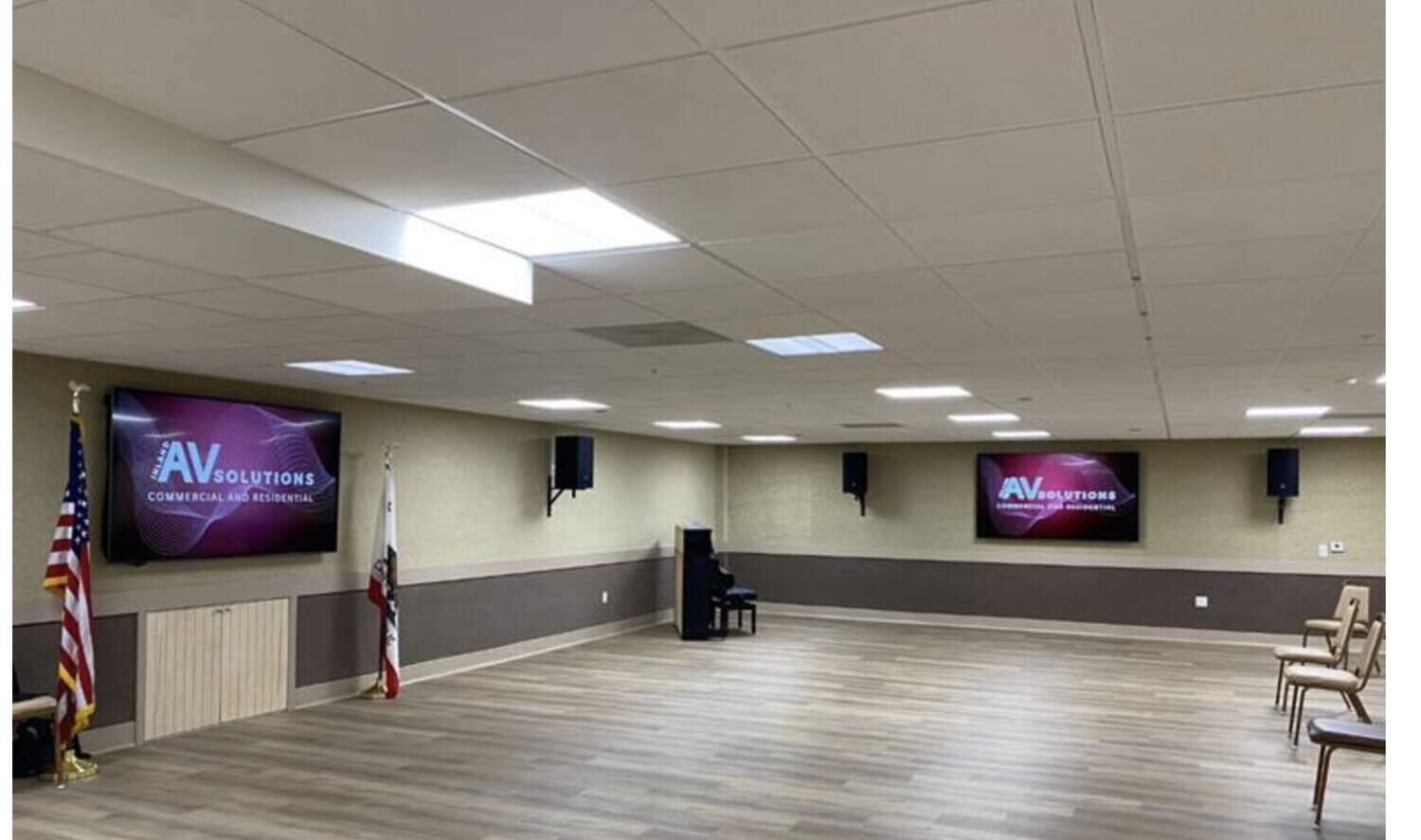
A strong integrator can point to finished work similar to yours and hand you references to call. Photos and case studies prove capability; references tell you what the company is actually like to work with. If they can provide neither, treat that as a warning sign.
5. What Brands and Certifications Do They Hold?
Manufacturer certifications for control systems, displays, and conferencing platforms mean the team is trained on the exact gear they install and can pull factory support when needed. Ask which brands they are certified for, and make sure those match what your project actually requires.
6. Do They Handle Design, Installation, and Programming In House?
The cleanest projects come from one team that designs, installs, and programs the system, instead of subcontracting pieces to strangers. In-house control means a single point of accountability and far fewer finger-pointing delays. A capable integrator treats systems design and integration as one continuous process, not a handoff between vendors.
7. Who Supports the System After Installation?
The install is the easy part. Ask who answers the phone when something fails, how quickly they respond, and whether they offer a service agreement. Reliable service and support is the difference between a system your team trusts and one they quietly dread using.
8. Will the System Be Standardized and Scalable?
If you have more than one room or location, every space should operate the same way so users are not relearning controls each time. Ask how they standardize rooms and how easily the design scales as you add sites. Standardization saves training time and cuts support calls for years.
9. Do They Provide Training and Documentation?
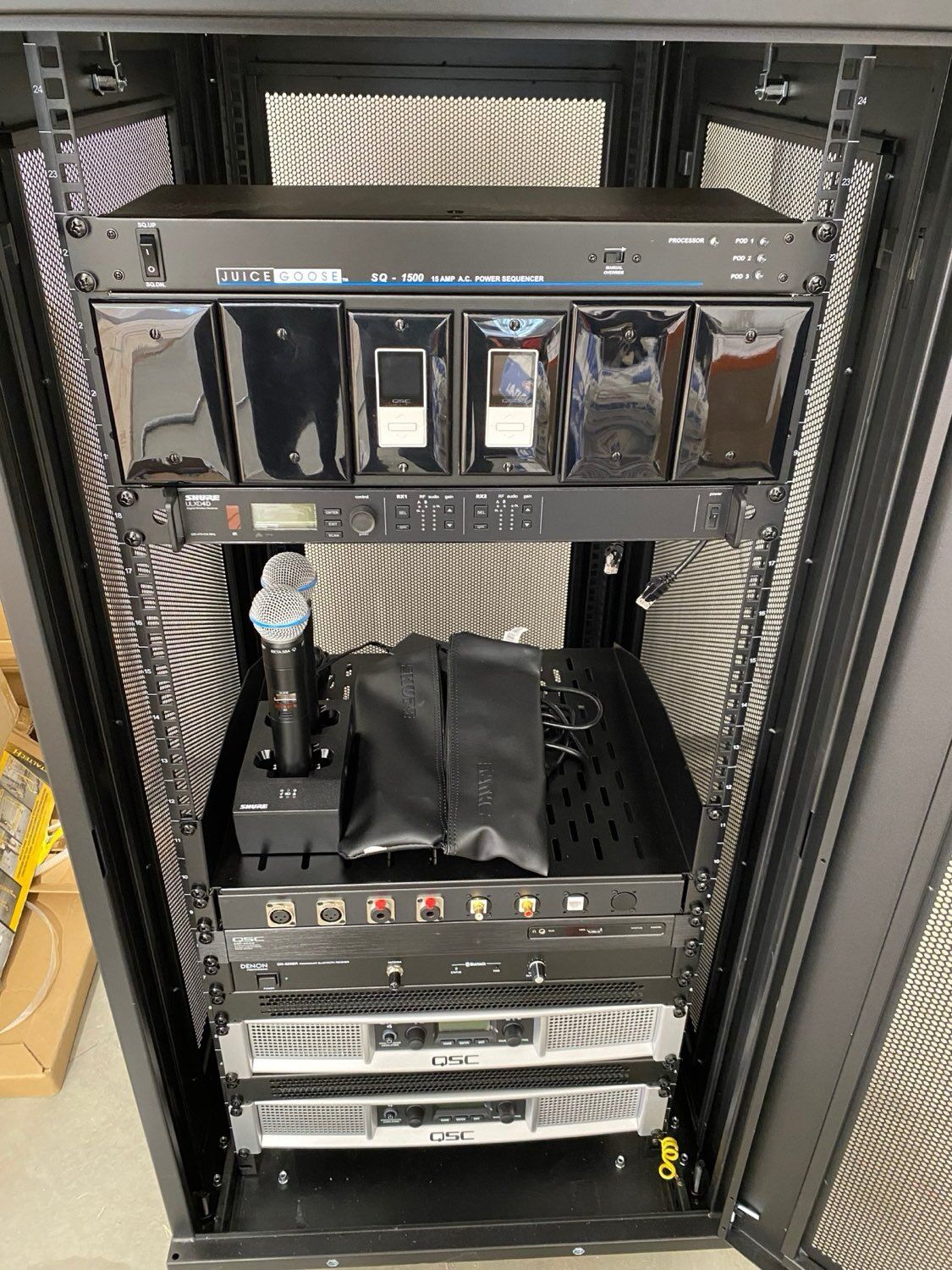
A great system nobody knows how to run is a failed project. Confirm they train your staff and leave real documentation behind: quick-start guides and as-built drawings. That is what makes adoption stick after the crew packs up and leaves.
10. How Do They Manage Projects and Timelines?
Ask who your single point of contact is, how they schedule around your operations, and how they handle changes mid-project. Clear project management is what keeps a commercial install from dragging on and disrupting your business.
11. Is the Quote Detailed and Transparent?
A vague one-line quote hides surprises. A trustworthy integrator gives you an itemized proposal covering equipment, labor, cabling, programming, and support, with no mystery costs bolted on later. If the numbers are not clear, keep asking until they are.
12. Are They Local, and How Fast Can They Respond On Site?
When a business-critical system goes down, a local integrator can be on site in hours, not days. Ask where they are based and their typical on-site response time in your area. For AV that a meeting, class, or service depends on, proximity is not a small thing.
The Bottom Line
The right commercial AV integrator is licensed, commercially focused, in house from design through support, transparent on price, and close enough to show up when you need them. Ask these 12 questions and the strong integrators will separate themselves from the rest quickly.
Inland AV Solutions has designed, installed, and supported commercial audio-visual systems across San Bernardino and Riverside counties for more than 20 years, as a licensed C-7 low-voltage contractor. Let's talk about yours.
Request a Quote